If you are selling a country club home in Rancho Mirage, you are not just selling bedrooms, bathrooms, and square footage. You are also selling a lifestyle, a community structure, and a set of rules and costs that buyers need to understand clearly. When you prepare both the home and the paperwork early, you can reduce surprises, answer buyer questions faster, and create a smoother path to closing. Let’s dive in.
Why Rancho Mirage Country Club Sales Are Different
Rancho Mirage is part of the Greater Palm Springs destination region, which means many buyers are choosing a home based on how they want to live as much as where they want to sleep. In a country club setting, buyers often care about amenities, access, dues, and day-to-day convenience just as much as finishes and floor plan.
That matters because many of these homes are located in California common interest developments. In these communities, association membership is automatic when a buyer purchases the home, and the governing documents help define common-area use, assessments, insurance, and architectural rules.
Some communities are even more layered. A home may sit within a sub-association and a master association, and club privileges may be handled by the HOA, a separate club entity, or both. That is why you should verify what actually transfers with the sale instead of relying on assumptions.
What Buyers Want to Know Early
Most buyers will want quick, clear answers to a few practical questions:
- What are the regular dues?
- Are there any special assessments?
- Do golf or club privileges transfer with the home?
- Are there transfer fees or initiation fees?
- Are there rental restrictions?
- Are there any approval steps tied to the HOA or club?
When you can answer these questions up front, your listing feels more complete and more credible. That can make a real difference, especially for remote and seasonal buyers comparing several properties at once.
Gather Your Disclosure Package Early
In California, sellers should expect a substantial disclosure package. The Transfer Disclosure Statement covers the physical condition of the property and known defects or hazards, and the Natural Hazard Disclosure Statement applies when the parcel is in a mapped hazard zone.
If the home was built before 1978, federal lead-based paint disclosure rules may also apply. These are standard parts of the process, but country club properties usually require an added HOA document package that takes time to assemble.
HOA Documents Matter as Much as the House
Under California Civil Code 4525, sellers in these communities may need to provide key association records and notices. These can include governing documents, current association documents, assessment information, unpaid amounts, unresolved violation notices, approved assessment changes that are not yet due, rental restrictions, and, if requested, recent board minutes and the most recent inspection report.
For many buyers, this resale package is essential to their decision-making. It helps them understand the true cost of ownership and the community rules that come with the property.
Check Title and Recorded Records
If your property has easements, restrictions, or other recorded title matters, Riverside County official records can help confirm what is on file. Official copies of recorded documents can be obtained through the county recorder.
This step can be especially helpful if your home has a long ownership history, past improvements, or access issues that may affect how a buyer views the property. Having clear records ready can save time once escrow begins.
Do Not Overlook Hazard Disclosures
It is easy to assume a desert property has fewer hazard concerns, but that is not always true. California hazard disclosure rules may involve mapped flood zones, inundation areas, earthquake fault zones, seismic hazard zones, very high fire hazard severity zones, and wildland fire areas.
If the property is in a mapped seismic hazard zone, that fact must be disclosed. This is one more reason to complete your disclosure work early rather than waiting until you are already negotiating with a buyer.
Plan Showing Logistics Before You List
Showing a home inside a gated or club community can be more complicated than showing a typical neighborhood property. Access rules may affect gate entry, guest procedures, parking, amenity areas, open houses, or whether an escort is required.
Before your listing goes live, it helps to confirm the practical rules that shape the buyer experience. A smooth showing process creates a better first impression and reduces avoidable friction.
Confirm These Access Details
Before launch, verify:
- Gate entry procedures for agents and guests
- Guest parking rules
- Open-house policies
- Any escort requirements
- Whether buyers can access certain common areas
- Any blackout times or reservation conflicts tied to club operations
These details may seem small, but they can directly affect how easily buyers can view the home and understand the community.
Market the Home Digitally First
Today’s buyers expect to evaluate a property online before they ever step inside. According to recent buyer data, 43% of buyers first looked online, all buyers used the internet during their home search, and the most valuable online content included photos, detailed property information, and floor plans.
That matters even more in Rancho Mirage, where many country club buyers may be out of area or making a second-home decision from a distance. Your listing needs to communicate the home and the ownership context quickly and clearly.
What Your Marketing Package Should Include
A strong country club listing package should include:
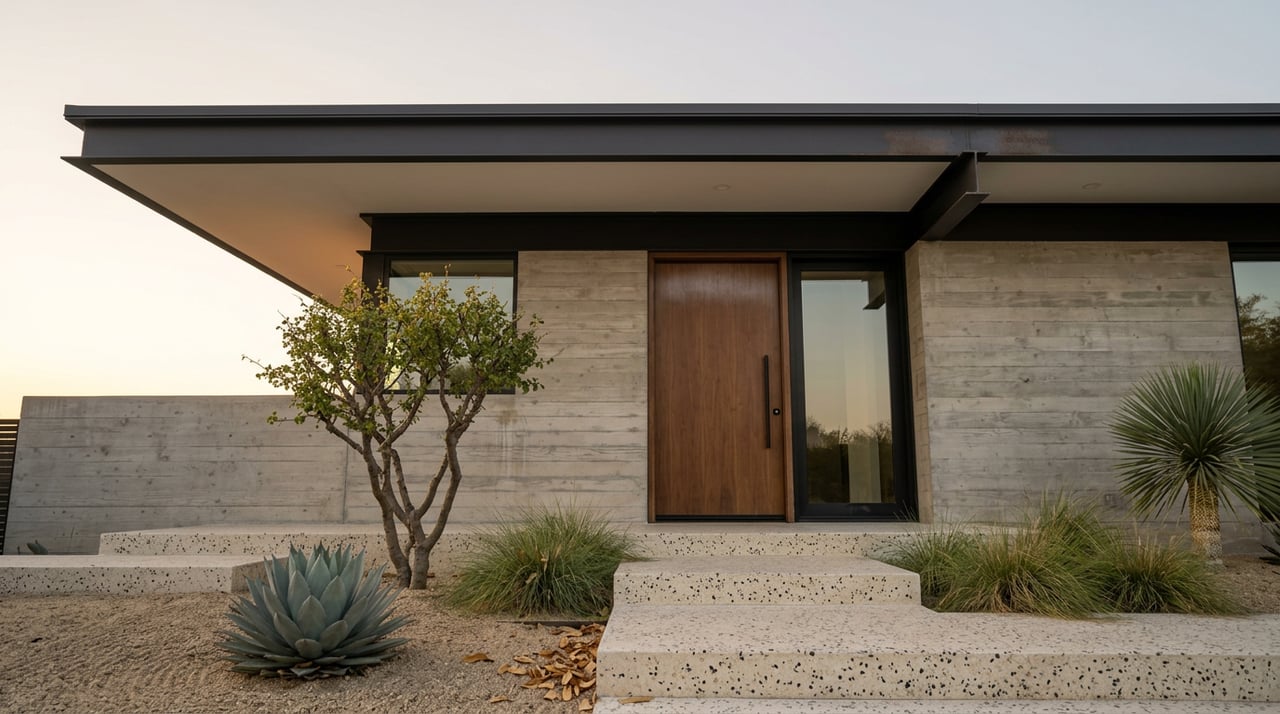
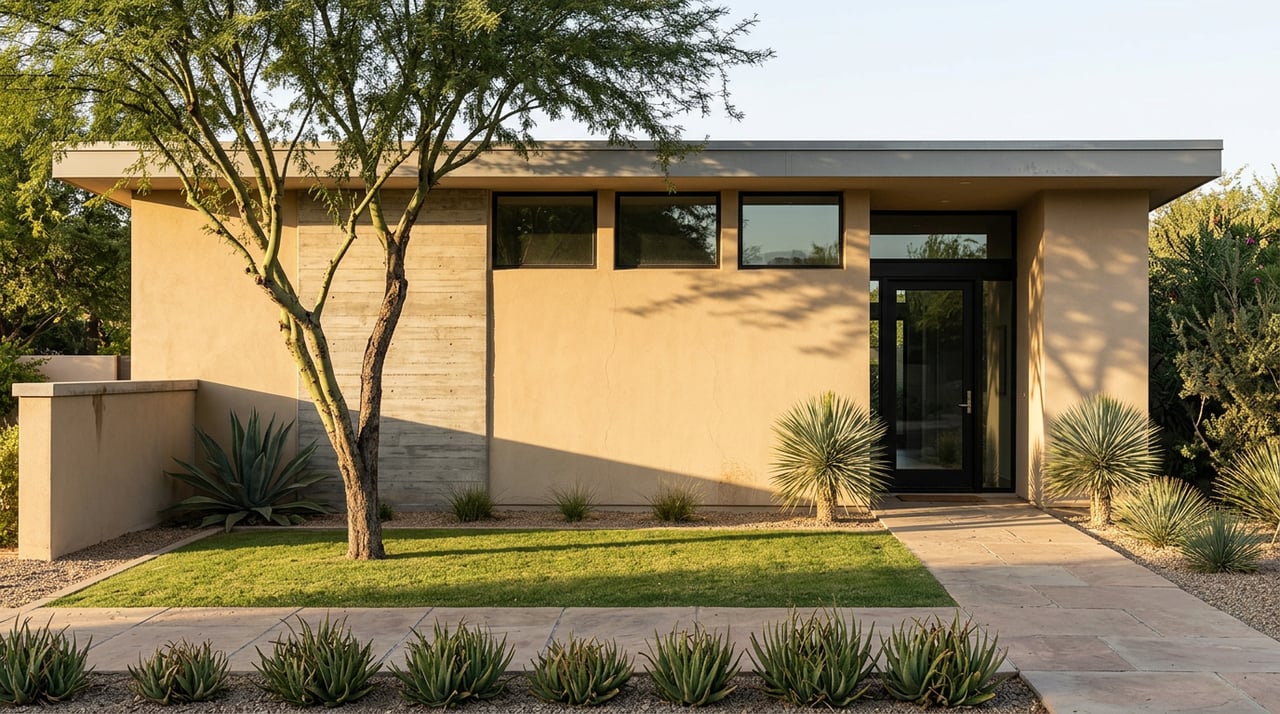
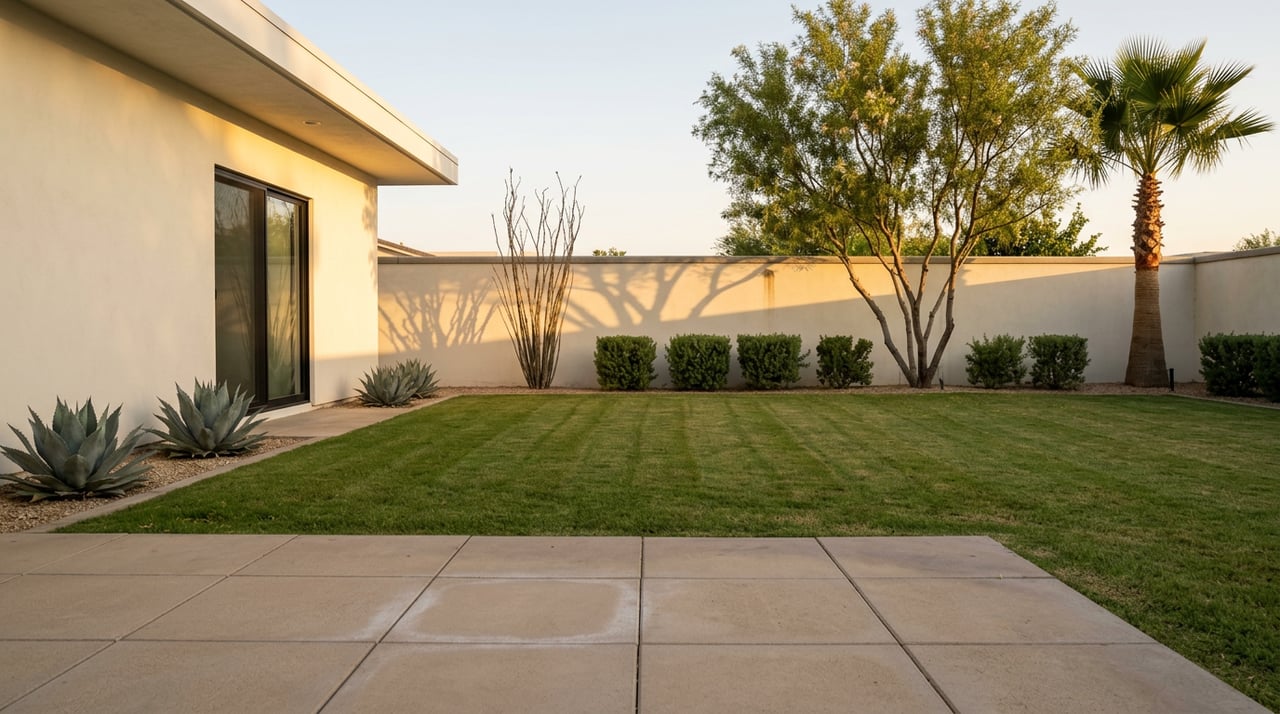
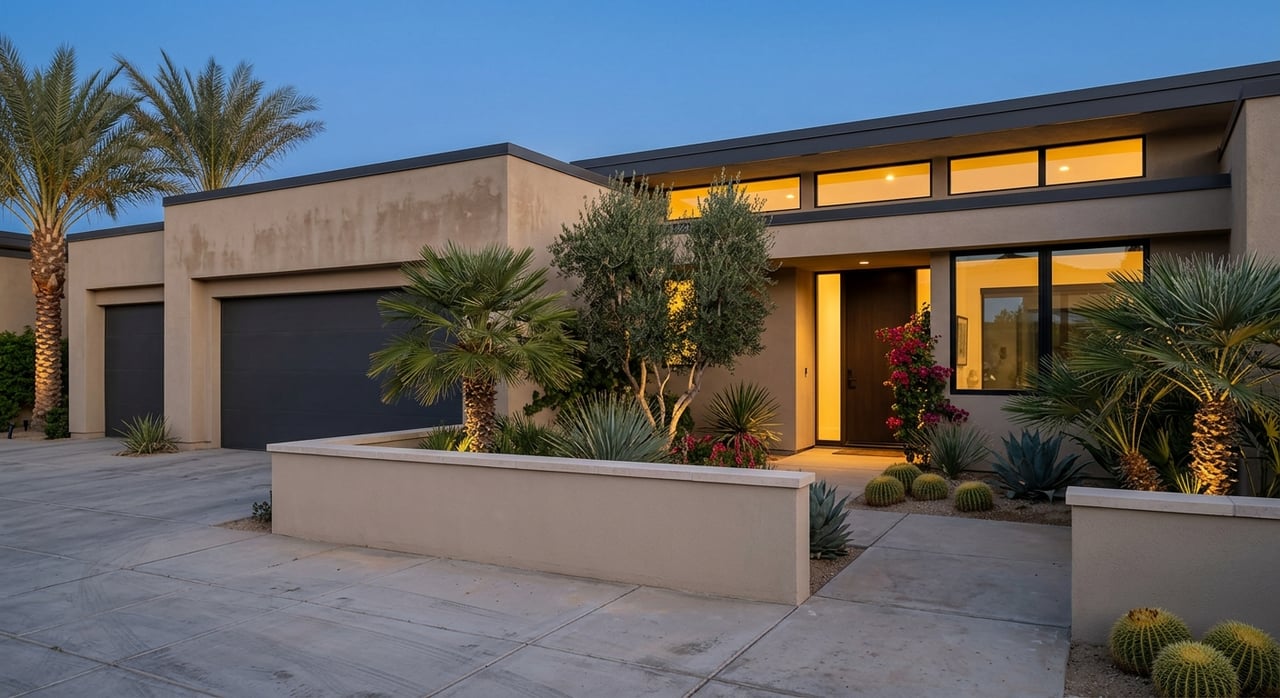
- Professional exterior and interior photography
- Floor plans
- Clear property details
- A concise amenity sheet
- Notes on dues and assessments
- Clear explanation of club access and what transfers with the sale
Recent staging research also found that photos, videos, and virtual tours are highly important in the home search process. It also showed that staging helps buyers picture the home as their future place, which is especially valuable when you are selling a lifestyle-driven property.
Create a Strong Pre-Listing Checklist
The smoothest sales often start with strong preparation. If you gather documents and make key decisions before speaking with buyers, you can avoid delays once interest picks up.
A country club home sale involves both property details and community details, so your checklist should cover both.
Documents to Pull Together
Useful pre-listing documents may include:
- CC&Rs
- Bylaws and community rules
- HOA financial and assessment statements
- Violation notices
- Notices about future assessments
- Rental rules
- Deed and easement records
- Permit and repair records
- Warranties
- Transfer Disclosure Statement
- Natural Hazard Disclosure Statement
- Lead disclosure materials, if applicable
Decisions to Clarify Before Buyers Ask
You should also clarify a few community-specific points early:
- Whether membership or club privileges are transferable
- Who pays transfer or initiation fees
- Whether rentals are allowed
- Whether any violations need to be cured or disclosed
- Whether any known assessments need to be disclosed
- Whether the HOA or club has approval or showing requirements
When these answers are ready before the first showing, the transaction tends to feel more organized and less stressful for everyone involved.
Be Ready for the Questions That Shape Offers
Buyers considering a Rancho Mirage country club home often move quickly from interest to due diligence. They want to understand the total monthly carrying cost, the structure of dues, whether special assessments are in play, what rental limitations exist, and what amenity rights come with the property.
They also want confidence that the home is truly ready for a club-lifestyle buyer. That means the physical presentation of the property and the clarity of the paperwork both matter.
The Best Listings Sell the Full Picture
In practical terms, the strongest Rancho Mirage country club listings present the home and the ownership structure with equal clarity. Buyers need to see the beauty of the property, but they also need to understand the rules, costs, and transfer details that come with it.
That is where calm planning and strong marketing can work together. When your listing is visually polished, document-ready, and easy to understand, you put yourself in a stronger position for serious interest and cleaner negotiations.
Selling in a country club community is more detailed than a standard home sale, but it does not have to feel overwhelming. With the right preparation, responsive communication, and a marketing plan built for today’s buyers, you can move forward with more confidence. If you are thinking about selling in Rancho Mirage, Bernal Smith Group can help you prepare, position, and market your home with the detail and follow-through this type of sale deserves.
FAQs
What makes selling a Rancho Mirage country club home different from selling a standard home?
- A country club sale often involves HOA documents, possible club transfer questions, dues, assessments, access rules, and buyer questions about amenities in addition to the home itself.
What documents should you gather before listing a Rancho Mirage country club home?
- Start with property disclosures, HOA governing documents, assessment information, rental rules, violation notices, deed and easement records, permit and repair records, warranties, and hazard disclosures that apply to the property.
Do club memberships and amenities automatically transfer with a Rancho Mirage country club home sale?
- Not always. Transferability, fees, and access rights are community-specific and should be confirmed through the governing documents and any separate club paperwork.
What buyer questions are most common for Rancho Mirage country club homes?
- Buyers usually ask about monthly dues, special assessments, rental restrictions, amenity rights, transfer fees, and the total cost and structure of ownership.
Why is digital marketing so important when selling a Rancho Mirage country club home?
- Many buyers begin online, and remote or seasonal buyers often rely heavily on photos, floor plans, detailed property information, video, and virtual tours before deciding whether to visit in person.
Should you verify showing rules before listing a home in a Rancho Mirage country club community?
- Yes. Gate access, parking, open-house policies, escort requirements, and common-area rules can all affect the showing experience and should be confirmed before the listing goes live.