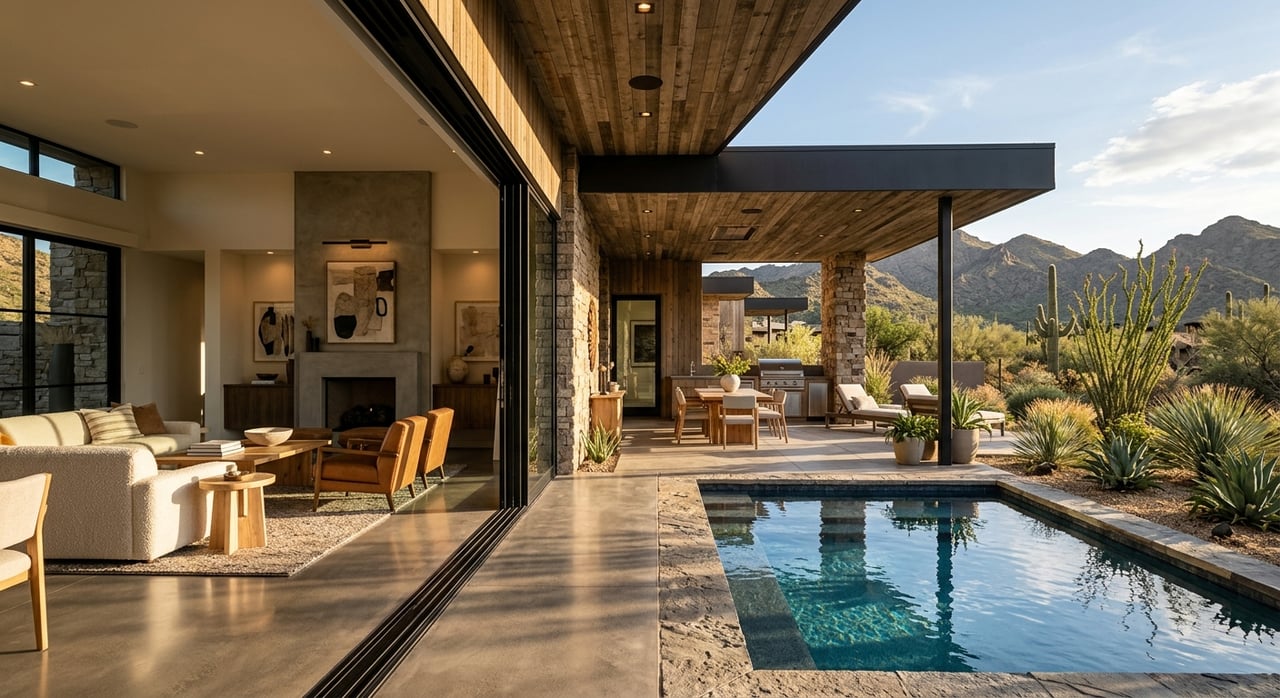
Wondering whether Palm Desert or Palm Springs fits your day-to-day life better? If you are choosing between the two, the answer often comes down to how you want your routines to feel, from errands and dining to outdoor time and evenings out. Below, you will find a practical look at how daily life compares so you can narrow in on the city that matches your pace and priorities. Let’s dive in.
Palm Desert vs. Palm Springs at a Glance
Both cities sit in the Coachella Valley, offer abundant sunshine, and attract full-time and seasonal residents. But they do not feel exactly the same once you start thinking about everyday living.
According to the City of Palm Desert, Palm Desert positions itself as the cultural and retail center of the desert communities. Palm Springs, meanwhile, describes itself as a small city with urban cultural amenities, according to city information from Palm Springs. In simple terms, Palm Desert often feels more centered on daily convenience, while Palm Springs can feel more district-based and visitor-facing.
Census data also help explain the difference. U.S. Census QuickFacts for Palm Desert shows Palm Desert had an estimated 2024 population of 53,147, while the research report notes Palm Springs at 45,453. Palm Springs is much larger geographically, with 94.55 square miles compared with Palm Desert’s 26.81 square miles, which helps explain why Palm Springs often feels more spread out and Palm Desert more compact.
Climate Shapes Daily Routine
In both cities, the weather plays a big role in how you plan your day. Greater Palm Springs weather information highlights 300-plus days of sunshine, mild winter days, and very hot summers, while Palm Desert city materials describe about 350 days of sunshine each year.
That means daily life in either city tends to revolve around heat management. Early morning walks, shaded patios, pools, and indoor-outdoor living are not just nice extras here. They are part of the rhythm of life for many residents.
There is a subtle difference in feel, though. Palm Desert visitor services describes the city as having a "happy pace" and notes both full-time and seasonal residents. Palm Springs places more emphasis on second homes, winter residents, and a more visibly visitor-oriented core, based on official Palm Springs community materials.
Shopping and Errands Feel Different
If everyday convenience matters most to you, Palm Desert has a strong case. Its best-known lifestyle anchor is El Paseo, which official tourism materials describe as home to more than 300 shops, more than a dozen restaurants, art galleries, luxury retail, and annual events.
That concentration gives Palm Desert a polished, patio-friendly, errands-meet-lifestyle feel. For many residents, that translates into a city where shopping, lunch, appointments, and casual social time can blend into one smooth afternoon.
Palm Springs has a different setup. Downtown and Uptown Palm Springs center around Palm Canyon Drive and Indian Canyon Drive, with an eclectic mix of shops, services, and restaurants. The experience tends to feel more walkable and more tied to distinct districts.
Census business data in the research report reinforces this contrast. Palm Desert posted higher total retail sales and higher retail sales per capita in 2022, while Palm Springs posted higher accommodation and food services sales. For you, that may mean Palm Desert feels more retail-centered in everyday life, while Palm Springs leans more toward hospitality and visitor activity.
Dining and Social Life After Dark
If you enjoy going out in the evening, Palm Springs usually has the stronger nightlife identity. The city’s social energy is especially visible in the Arenas District, which is described as a downtown entertainment district with bars, clubs, restaurants, and shops. Palm Springs also hosts VillageFest, a Thursday evening street fair on Palm Canyon Drive, which adds to the event-driven atmosphere.
That does not mean Palm Desert lacks dining or social options. El Paseo has a strong restaurant scene and a more refined, leisurely tone. It often feels better suited to patio dinners, gallery browsing, and daytime-to-evening outings rather than a nightlife-centered routine.
So if your ideal week includes lively evenings, walkable entertainment pockets, and recurring events, Palm Springs may feel like the better fit. If you prefer a polished dining-and-shopping rhythm that supports everyday life, Palm Desert may feel easier to settle into.
Outdoor Living and Recreation
Outdoor access matters in both cities, but the style of recreation is different. Palm Desert parks and recreation resources show a broad lineup that includes over 200 acres of parkland, 17 parks, two community centers, the Palm Desert Aquatic Center, more than 25 miles of multi-purpose trails, dog parks, community gardens, and year-round programming.
Palm Desert also stands out for golf and pickleball. The city operates Desert Willow Golf Resort and lists local sports amenities, including resident access to its two championship golf courses at reduced rates and several pickleball sites. If your ideal routine includes regular golf, easy neighborhood recreation, or low-hassle outdoor time, Palm Desert is very compelling.
For hiking, Palm Desert offers local trail access, including short, flat options at Fox Hiking Park and connections tied to local history and the Santa Rosa and San Jacinto National Monument. That gives residents practical, nearby options for quick outings.
Palm Springs also has public parks and recreation facilities, but its signature outdoor feature is hard to match. According to Palm Springs Parks and Recreation, the Palm Springs Aerial Tramway provides access to more than 50 miles of hiking trails in Mount San Jacinto State Park. The tram rises to 8,516 feet, creating a dramatic mountain escape from the desert floor.
In daily-life terms, Palm Desert often feels more neighborhood- and routine-oriented for outdoor activity. Palm Springs offers a more dramatic desert-to-mountain contrast that can make weekends and day trips feel especially memorable.
Housing Character and Residential Feel
If home style and neighborhood atmosphere are high on your list, the two cities offer different kinds of appeal. Palm Desert housing information points to a mix of senior and multi-family housing, along with affordable ownership communities such as Desert Rose and Falcon Crest. Combined with the city’s planned feel, Palm Desert often reads as balanced and neighborhood-centered.
Palm Springs is known for well-established neighborhoods, mid-century modern architecture, and a notable share of second homes and seasonal residents, according to official Palm Springs community materials. That gives the city a more historically layered and architecture-forward identity.
Pricing signals also differ. The research report cites Census housing data showing Palm Desert with a median owner-occupied home value of $542,000 and median rent of $1,778, compared with Palm Springs at $604,000 and $1,562. Those numbers do not tell the whole story, but they do suggest a slightly different value equation depending on whether you are buying or renting.
Which City Fits Your Lifestyle?
If you are still deciding, it helps to think less about which city is "better" and more about which one supports your routines.
Palm Desert may fit you better if you want:
- A more compact feel for everyday living
- Strong shopping and errand access
- Golf, pickleball, parks, and neighborhood trails
- A polished, patio-friendly dining scene
- A residential atmosphere that feels balanced and planned
Palm Springs may fit you better if you want:
- A more walkable downtown experience
- Stronger nightlife and event energy
- Distinct districts with a visitor-oriented core
- Iconic architecture and established neighborhood character
- Easy access to the Aerial Tramway and mountain hiking
In many cases, buyers choosing between Palm Desert and Palm Springs are really choosing between two versions of desert living. One leans more toward convenience and routine. The other leans more toward culture, architecture, and evening activity.
How to Compare Them in Person
Online research helps, but daily life is easiest to understand when you experience both cities in real time. Try visiting each one with a simple checklist in mind:
- Drive your likely errand routes
- Visit during both daytime and evening hours
- Walk the shopping or dining districts
- Test your commute to the places you use most
- Tour housing options that match your budget and goals
- Notice whether you prefer a neighborhood-centered feel or a more event-driven environment
That side-by-side comparison usually makes the answer clearer than market stats alone.
If you are weighing Palm Desert against Palm Springs and want practical guidance tailored to your goals, Bernal Smith Group can help you compare neighborhoods, housing options, and day-to-day lifestyle across the Coachella Valley with a clear, low-stress approach.
FAQs
What is the main lifestyle difference between Palm Desert and Palm Springs?
- Palm Desert generally feels more compact, retail-centered, and routine-friendly, while Palm Springs tends to feel more walkable, district-based, and oriented around culture, events, and nightlife.
Which city has better everyday shopping in Palm Desert or Palm Springs?
- Palm Desert stands out for everyday shopping and errands, led by El Paseo and supported by stronger retail sales data cited in the research report.
Which city has more nightlife, Palm Desert or Palm Springs?
- Palm Springs has the stronger nightlife identity, especially around the Arenas District and recurring downtown events like VillageFest.
Which city is better for outdoor routines in Palm Desert or Palm Springs?
- Palm Desert is often the better fit for regular golf, pickleball, parks, and neighborhood trail access, while Palm Springs is especially known for the Aerial Tramway and mountain hiking access.
How do home values compare in Palm Desert and Palm Springs?
- The research report cites Census data showing a median owner-occupied home value of $542,000 in Palm Desert and $604,000 in Palm Springs, with median rents of $1,778 and $1,562, respectively.