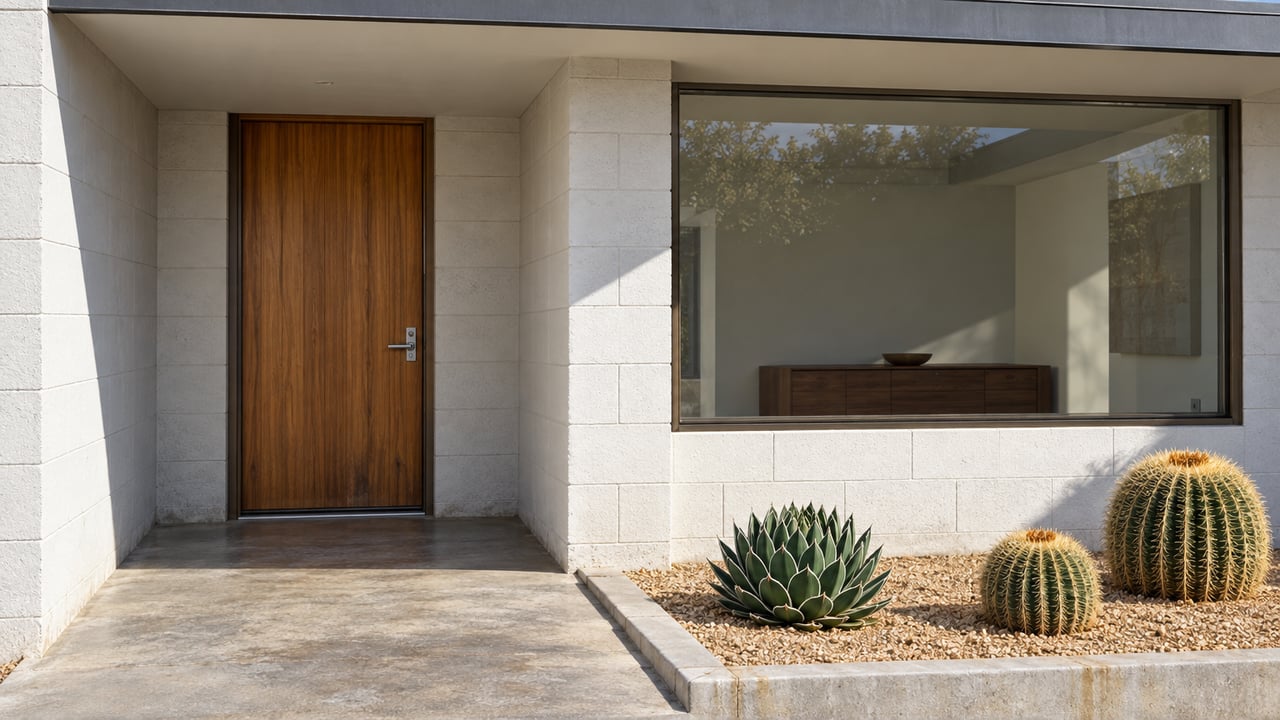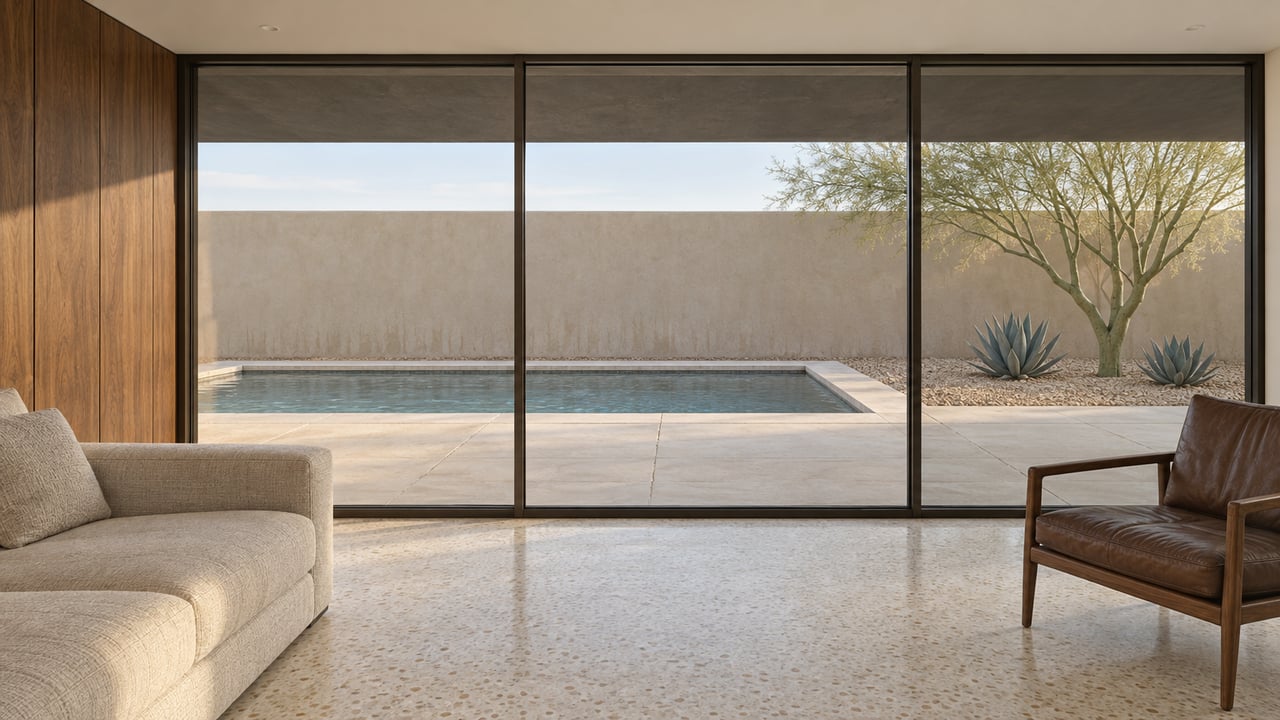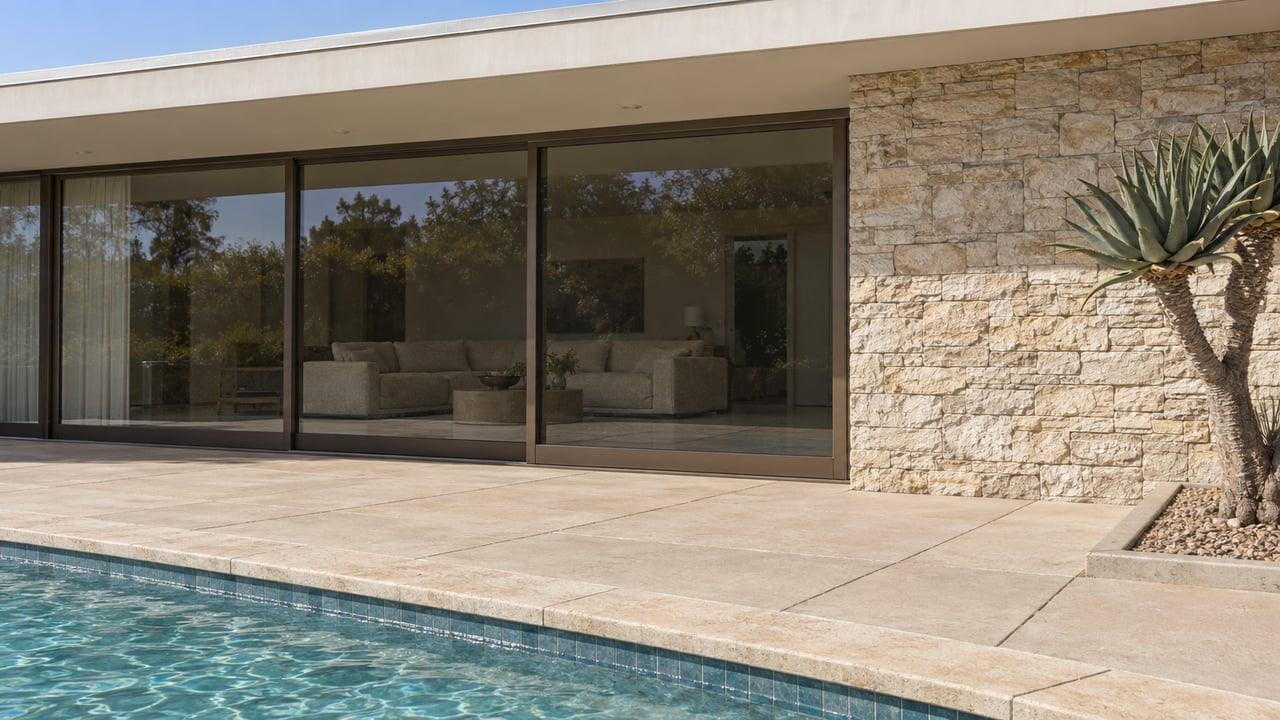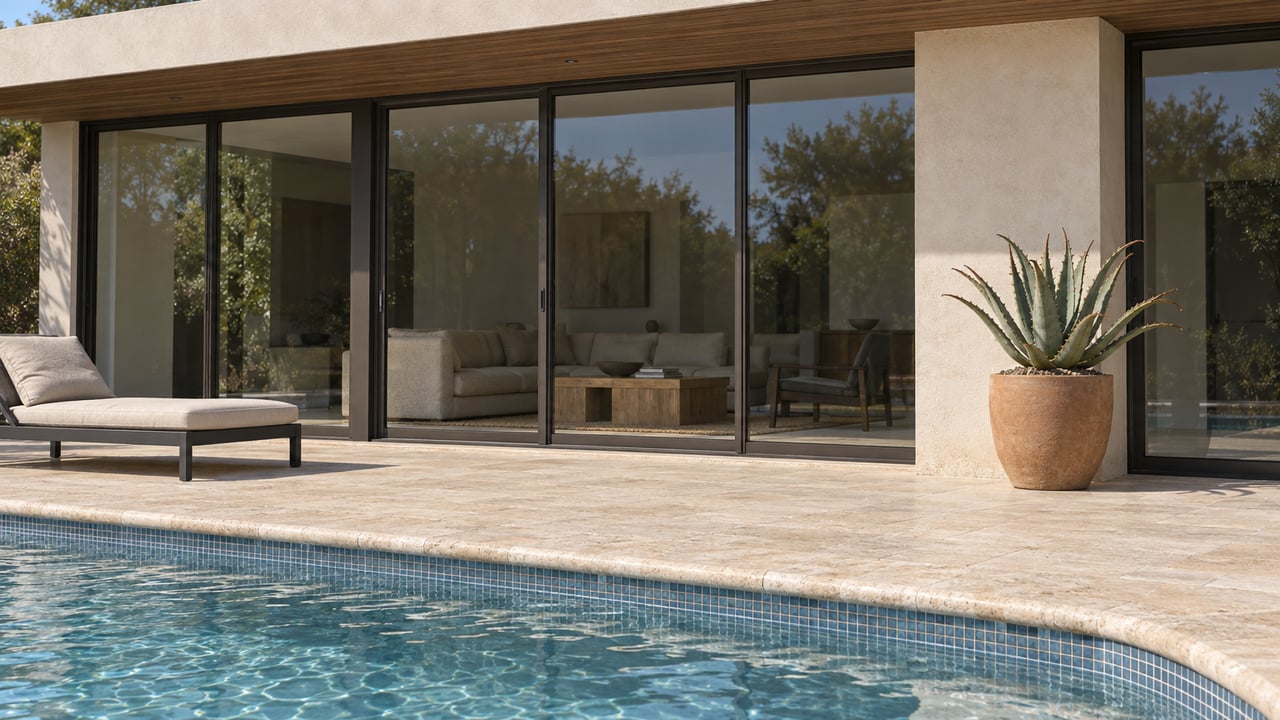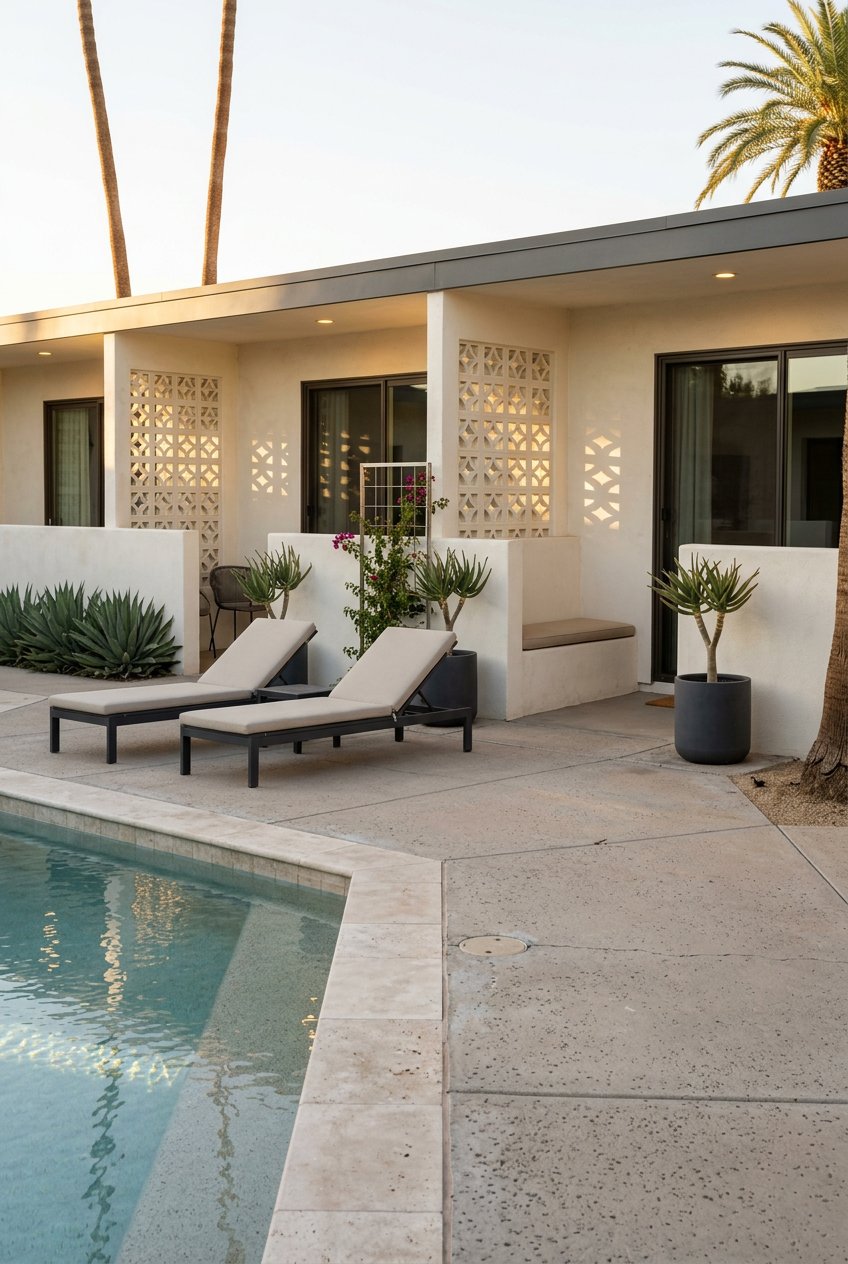
Trying to decide between a Palm Springs condo and a single-family home? You’re not alone. Many buyers weigh convenience, privacy, rental potential, and total cost before they choose. In this guide, you’ll get a clear side-by-side look at prices, lifestyle fit, ongoing costs, rules that can affect your plans, and a practical checklist to shop with confidence. Let’s dive in.
Palm Springs market at a glance
Palm Springs offers a wide range of prices across property types and neighborhoods. Recent Coachella Valley reporting shows a meaningful split between condos and single-family homes: attached homes (condos/townhomes) in Palm Springs are commonly around the mid $400ks to low $500ks, while detached homes often land in the mid $600ks and above. In a recent valley update, the Palm Springs median sat near $505,000 for attached homes and about $625,000 for detached homes, reflecting a gap that helps shape your decision (Coachella Valley market data).
You’ll also find both entry and luxury segments. Many condos list from roughly $200,000 to $700,000, while single-family homes often start around $500,000 and extend into the multi-million range in premium neighborhoods. Exact pricing varies by location, architecture, lot size, and whether land is fee simple or a land lease.
Lifestyle fit: condo or house?
Condos: low maintenance and lock-and-leave
If you want a turnkey base near dining, galleries, and amenities, a condo can be ideal. Many communities offer pools, spas, and fitness rooms, and the association handles exterior upkeep and common areas. For a quick primer on how condos work, see this clear overview of condo ownership basics (what a condo is).
You’ll likely appreciate a condo if you plan to travel often, visit seasonally, or prefer a simpler, lower-upkeep lifestyle. Many buyers also value the added security of controlled access and community rules.
Single-family homes: space, privacy, and flexibility
Detached homes give you private yards, room to entertain, and often your own pool. You can usually tailor outdoor spaces more freely and expand or renovate with fewer community restrictions. The tradeoff is maintenance. A common planning rule is to budget about 1% to 3% of your home’s value per year for upkeep, with pools adding separate service and utility costs (annual maintenance guidance).
Neighborhood snapshots to consider
- Downtown and the Canyon Corridor: Walkable access to restaurants and shops, with a mix of condos and smaller homes. This can suit buyers who want easy, car-light living near city amenities.
- South Palm Springs, Racquet Club, and Twin Palms: Many mid-century-appeal condo communities and inviting community pools. These areas often attract seasonal owners who value convenience.
- Old Las Palmas, Movie Colony, and Vista Las Palmas: Architecturally notable homes and higher price points. Buyers here often seek privacy, lot size, and iconic design.
What it costs to own each month
Think in terms of all-in ownership, not just your mortgage. Build your budget around these line items:
- Mortgage and interest
- Property taxes
- HOA dues (if any)
- Insurance
- Utilities
- Routine maintenance and reserves
- Land-lease payment (if applicable)
HOA dues vs. owner maintenance
- Condos: Typical local HOA dues often run about $300 to $700+ per month, depending on amenities and services. Compare what’s covered community to community.
- Single-family homes: You may pay little or no HOA outside of gated or planned communities. However, you take on full responsibility for exterior, landscaping, and pool care yourself.
Maintenance and utilities
- Single-family: Plan 1% to 3% of home value per year for ongoing upkeep, plus separate pool costs. National estimates suggest about $1,000 to $3,000 per year for routine pool service and chemicals, with repairs extra (maintenance benchmarks).
- Condo: You still maintain interior systems and finishes in your unit, but exterior and common elements are handled by the HOA. Review HOA reserve funds and recent assessment history to spot risk.
Insurance and hazards
- Condos: Most owners carry an HO-6 policy for interior coverage and liability. The HOA holds the master building policy.
- Single-family: You’ll likely use an HO-3 policy that insures the structure and property. In either case, check wildfire, flood, and earthquake exposures early and scope the HOA’s master policy if you’re buying a condo.
For natural hazard awareness and local preparedness, review the city’s High Fire Inspection Program resources (Palm Springs fire-safety information).
Property taxes in Riverside County
California’s Prop 13 sets a base near 1% of assessed value, plus local bonds and assessments. Effective rates vary by district. Review the specific tax bill for any property you’re considering using county resources (Riverside County tax rate comparisons).
HOA health and legal guardrails
Understand the HOA’s financials
California’s Davis-Stirling rules require associations to perform reserve studies and provide annual financial disclosures. You should review the most recent reserve study, percent-funded reserves, insurance certificates, meeting minutes, and any history of or plans for special assessments. Weak reserves or opaque documentation are common red flags (Davis-Stirling overview).
Condo lending and project approval
Financing a condo involves extra steps. Lenders and the secondary market look at owner-occupancy ratios, HOA delinquency rates, insurance, reserves, and pending litigation. A project that doesn’t meet eligibility guidelines can limit loan options or slow approvals. Familiarize yourself with the criteria and ask your lender about project approval or single-unit (spot) approvals early (condo project requirements).
Land lease 101 in Palm Springs
Parts of Palm Springs sit on long-term ground leases, including tribal lease land. In a leasehold, you own the structure but pay separate land rent and must review lease length, rent schedule, renewal terms, approval processes, and how the remaining lease term affects financing and resale. Leaseholds can lower purchase price but add complexity. If a property is on leased land, build those details into your financial planning and loan timeline.
Planning to rent your home short-term?
Palm Springs regulates vacation rentals with permits, density and contract limits, and noise rules, and it applies Transient Occupancy Tax to short stays. Your HOA’s CC&Rs may also restrict or prohibit rentals. Confirm city licensing eligibility and community rules before you underwrite potential rental income (Palm Springs vacation rental information).
Financing differences to expect
If you’re buying a second home, many conventional programs expect about 10% down at minimum, with higher down payments for jumbo or investment scenarios. Lenders may also require additional cash reserves, so it pays to pre-qualify and review terms early (second-home down payment basics).
For condos, factor in project approvals, reserve strength, and any pending litigation during underwriting. Your lender can help determine whether a full project approval or a spot approval is the right path (condo eligibility checklist).
Due-diligence checklist
Use this list to keep your search focused and your escrow smooth:
- Ownership type and land status: Confirm fee simple vs. leasehold. If leasehold, note lease term, renewal terms, current land rent, and any administrative approvals required.
- HOA documentation: Request 2 to 3 years of budgets, the latest reserve study and percent funded, insurance certificates, meeting minutes, known or pending special assessments, and any litigation (California HOA standards).
- Rental rules: If rental income matters, verify city permit eligibility and your HOA’s leasing restrictions, including any 30+ day minimums (city STR requirements).
- Physical condition: Check roof age, HVAC, water heater, and, if applicable, pool equipment. For condos, review the HOA’s plan for common-area replacements.
- Insurance and hazards: Get quotes early for HO-6 or HO-3 plus any wildfire, flood, or earthquake coverage. Review local fire-safety guidance (fire-inspection program).
- Lender readiness: Confirm your lender’s appetite for condos, leaseholds, and non-approved projects, and learn the timing for any spot approval needed (project approval criteria).
- Property taxes: Review the property’s assessed value, supplemental tax exposure after closing, and district add-ons using county resources (Riverside County comparisons).
How to choose your best fit
- If you want ease and proximity to amenities, and you’re comfortable with community rules and dues, a condo can be a smart, low-friction second home.
- If you value privacy, outdoor living, and renovation freedom, a single-family home offers flexibility, with higher responsibility for upkeep.
- If you plan to short-term rent, confirm both city permits and HOA rules before you count on that income.
- If you’re watching your monthly number, price both options apples-to-apples with mortgage, taxes, HOA, insurance, utilities, maintenance, and any land-lease payment.
When you’re ready to tour options across Palm Springs and the broader Coachella Valley, we’re here to make the process clear and efficient. Reach out to the Bernal Smith Group to talk through your goals, preview the best-fit neighborhoods, and design a buying plan tailored to you.
FAQs
What’s the typical price gap between condos and houses in Palm Springs?
- Recent valley reporting shows Palm Springs condos commonly near the mid $400ks to low $500ks and detached homes around the mid $600ks and higher, with actual prices varying by neighborhood and features.
How much are condo HOA dues in Palm Springs?
- Many communities land around $300 to $700+ per month depending on amenities and services; always review what’s covered and the association’s reserve strength.
Is it harder to finance a condo than a house?
- Often yes. Lenders review HOA reserves, insurance, owner-occupancy, delinquencies, and litigation; some projects need approvals or spot reviews (see condo eligibility factors).
What should I know about land leases in Palm Springs?
- Some properties sit on leased land, where you own the structure but pay land rent. Review lease length, rent schedule, renewal terms, approvals, and how remaining term affects financing and resale.
Can I short-term rent my Palm Springs property?
- Maybe. The City requires registration and enforces density and contract limits, and HOAs can restrict or prohibit rentals. Confirm both before you plan income (city STR rules).
How much should I budget for pool upkeep at a house?
- Routine pool service and chemicals often total about $1,000 to $3,000 per year, with utilities and repairs extra (maintenance benchmarks).