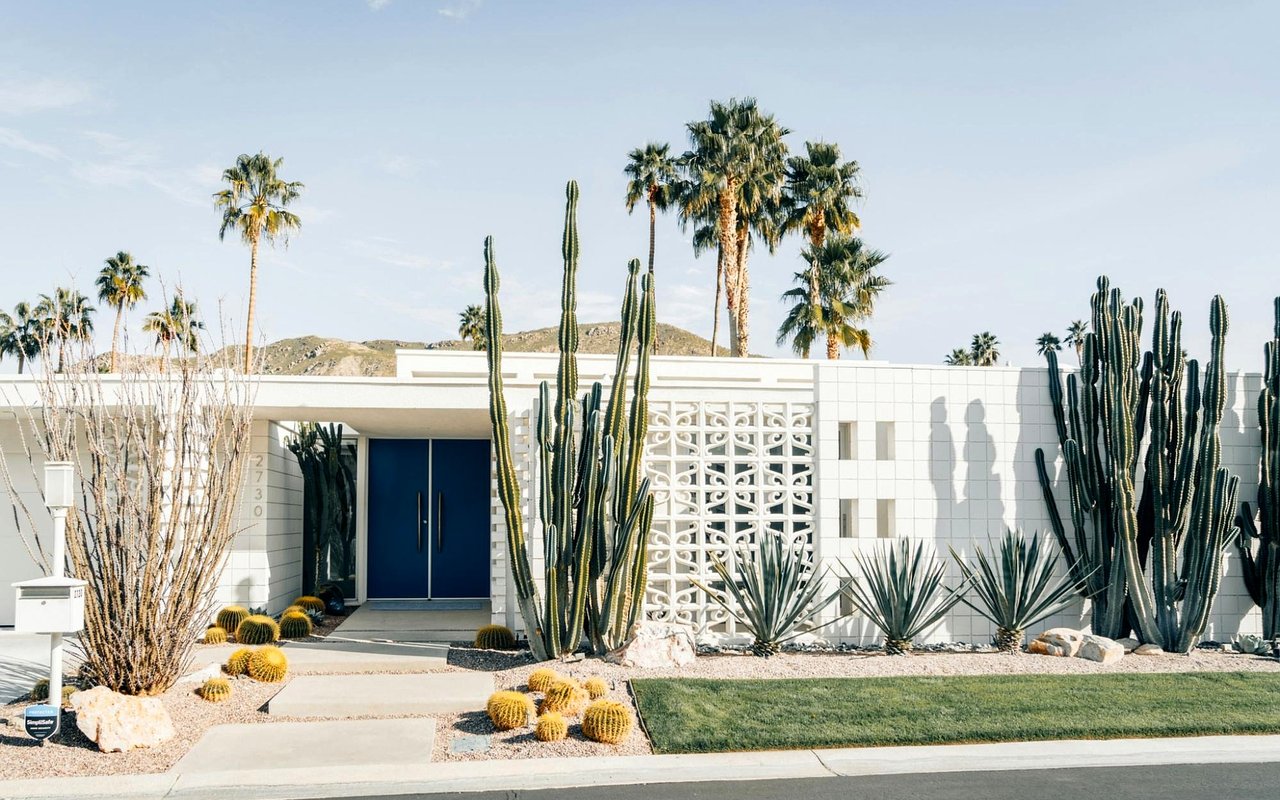
Everything You Need to Know About Investing in Palm Springs

Everything You Need to Know About Investing in Palm Springs

  • Bernal-Smith Group
  • 09/27/25

Palm Springs Real Estate Investment: The 2025 Guide

Palm Springs, California, has long been synonymous with sun-soaked desert landscapes, iconic mid-century modern architecture, and a resort-style pace of life. However, over the last decade, it has evolved into one of Southern California's most dynamic real estate investment markets. As we move through 2025, the market has shifted from the frenetic pace of the pandemic years to a more balanced, mature landscape. With a resilient tourism economy, high demand for distinctive vacation rentals, and a steady appreciation trajectory, Palm Springs offers a unique blend of lifestyle appeal and investment stability.

Why Palm Springs Appeals to Investors in 2025

Palm Springs remains a top-tier choice for investors because it is a dual-threat market: it delivers both rental yield and asset appreciation. Unlike pure "cash flow" markets in the Midwest or pure "appreciation" markets in coastal cities, Palm Springs offers a middle ground. The city’s constraint on land—surrounded by mountains and protected tribal land—creates a natural scarcity that supports long-term value. Furthermore, the "season" in Palm Springs has lengthened. What used to be a winter-only destination now sees robust tourism from October through May, driven by a packed calendar of events ranging from Modernism Week to the International Film Festival.

Understanding Local Market Trends: The Shift to Balance

In 2025, the Palm Springs market is defined by "balance." After years of low inventory, supply has increased, giving buyers more leverage than they have had in years.

  • Days on Market: Homes are sitting longer—averaging 60-90+ days in some segments—which allows investors time to perform due diligence and negotiate price or concessions.
  • Inventory Levels: With inventory levels rising, investors are no longer forced into bidding wars. This environment favors "value-add" investors who can find properties that need cosmetic updates.
  • Price Stability: Despite higher interest rates, prices have remained resilient due to the area's desirability. The luxury sector ($1.5M+) remains particularly strong, driven by cash buyers unaffected by mortgage rates.

Staying informed on these micro-trends is essential for making strategic offers.

Short-Term Rental Regulations in 2025

Navigating the regulatory landscape is the single most critical factor for Palm Springs investors in 2025. The city enforces strict rules to maintain neighborhood character, and "buying blind" can be a costly mistake.

The Neighborhood Percentage Cap: The city limits vacation rental certificates to 20% of residential units in any specific neighborhood organization. Before making an offer, you must verify if your target neighborhood is capped. If it is, you will be placed on a waitlist, which can take years to clear.

Contract Limits: New vacation rental permits are limited to 26 rental contracts per year. This encourages longer stays and higher nightly rates rather than high-turnover, low-cost bookings. (Note: "Grandfathered" permits issued before late 2022 may still operate under higher limits until Jan 1, 2026).

The "Junior Permit" Strategy: For investors who want a second home that pays for itself without full-time rental intensity, the "Junior Permit" is a hidden gem. It allows for 6 or fewer rentals per year and, crucially, does not count toward the 20% neighborhood cap. This is an excellent entry point for lifestyle investors.

The Rise of the 30-Day Rental Strategy

As short-term regulations tighten, many savvy investors in 2025 are pivoting to the "medium-term" or "seasonal" rental model (30+ days). Leases of 28 days or longer are exempt from the city's vacation rental caps, permit fees, and Transient Occupancy Tax (TOT).

This strategy is highly effective in Palm Springs, where "Snowbirds" (winter residents) often look for 1-4 month rentals from January to April. By securing a long-term tenant for the winter at premium rates ($5,000 - $15,000/month depending on the property), investors can cover a year's worth of holding costs with less wear and tear and zero regulatory headaches.

Types of Properties & Best Neighborhoods

Your investment strategy should dictate the property type you choose. Palm Springs offers distinct product categories:

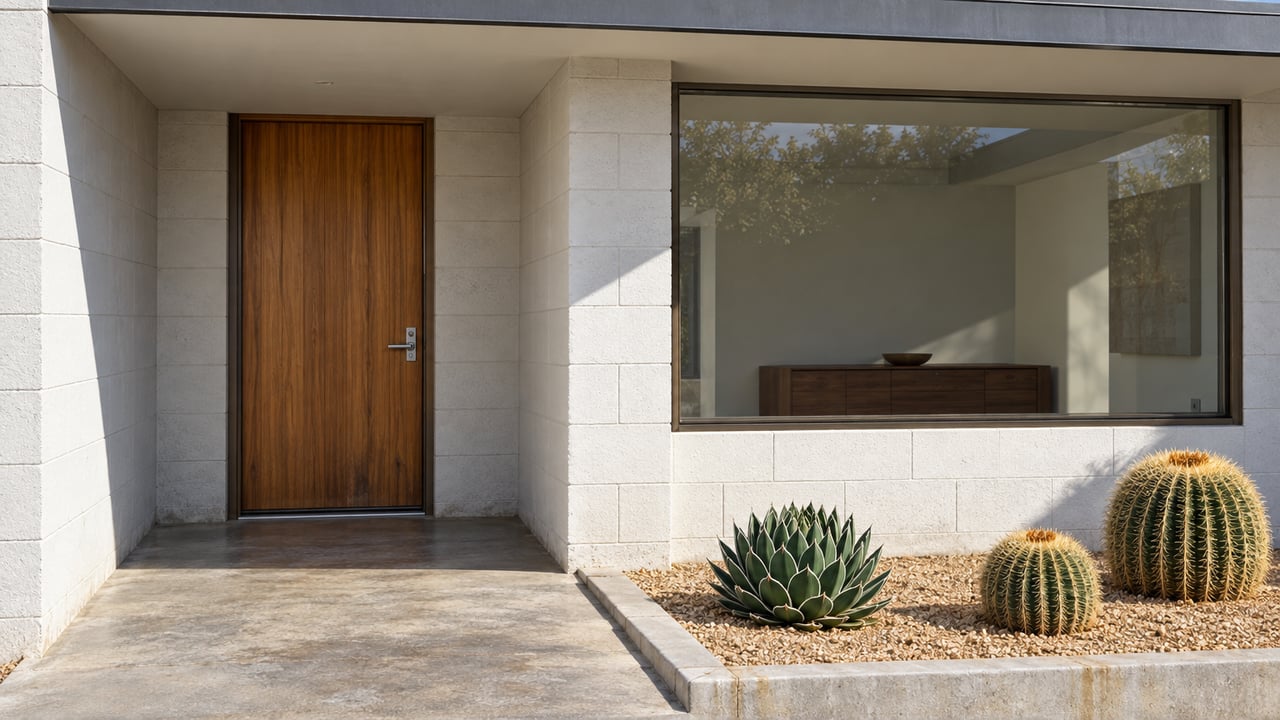
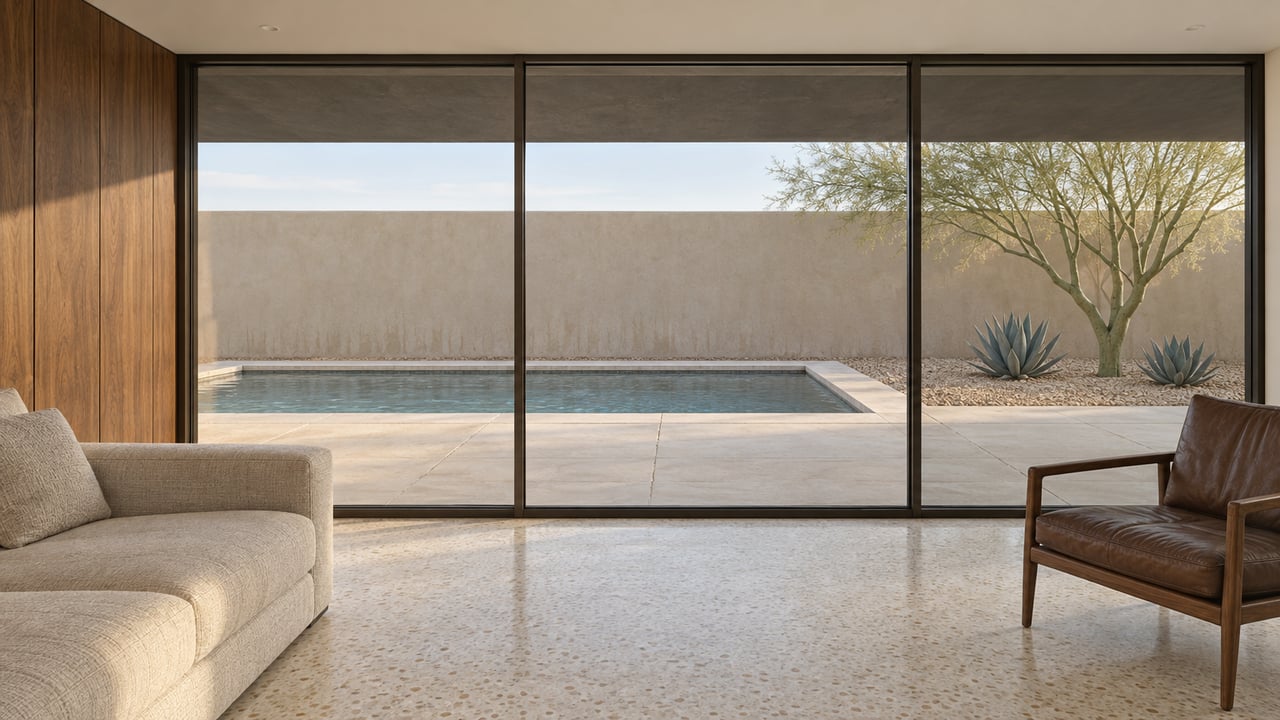
  • Mid-Century Modern Single-Family: The "Holy Grail" of Palm Springs investment. Neighborhoods like Racquet Club Estates and Twin Palms command the highest nightly rates because they offer the quintessential "Palm Springs experience" (butterfly roofs, private pools). However, these areas often have the highest competition and price points.
  • Iconic Condos: Complexes like Ocotillo Lodge, Seven Lakes, and Racquet Club Garden Villas are historically significant and popular with tourists. They offer a lower entry price, but investors must carefully check HOA rules, as some communities impose their own rental restrictions (e.g., 14-day minimums).
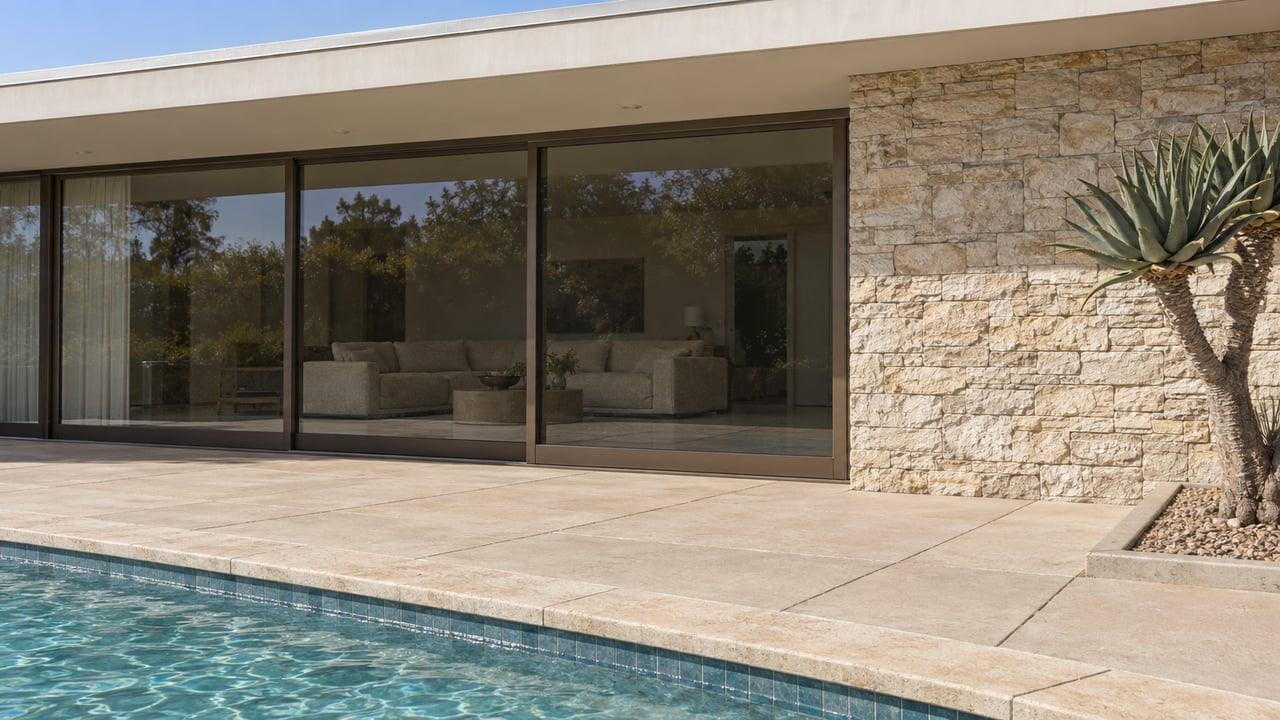
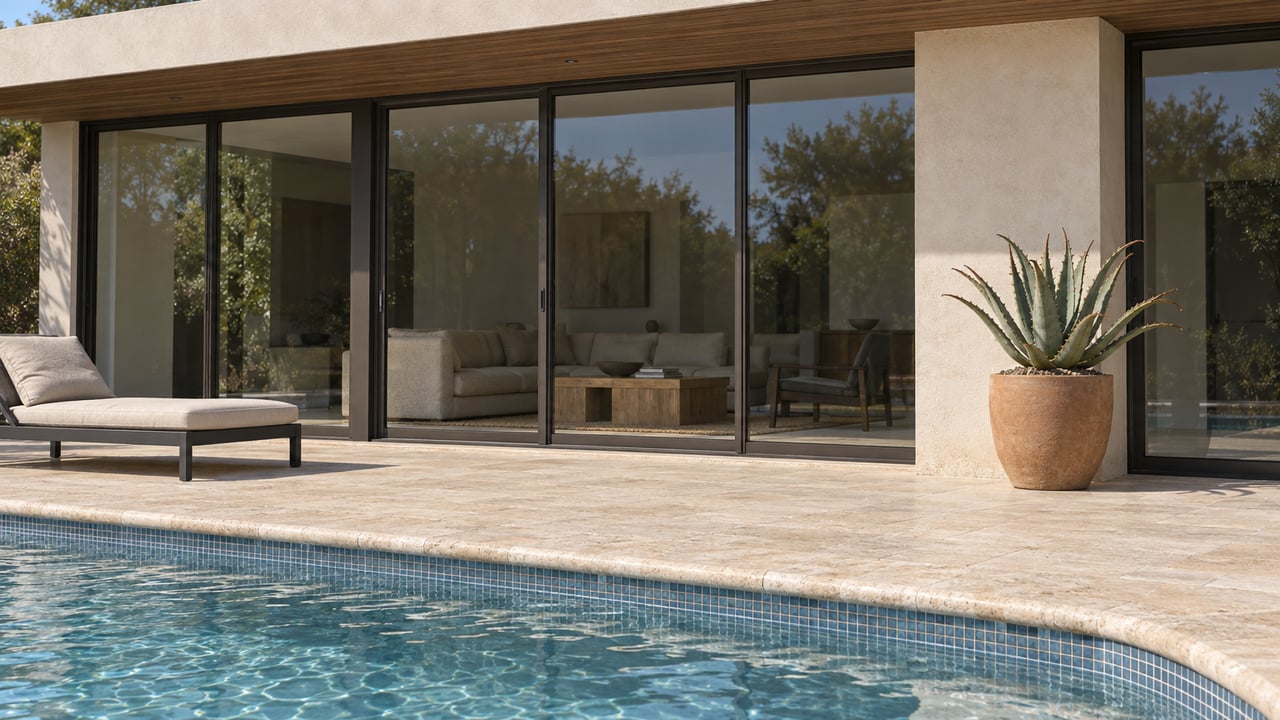
  • Luxury Estates: Areas like Old Las Palmas and The Movie Colony attract high-net-worth renters. These properties function more like private resorts, renting for $2,000+ per night, but require significant operational expertise to manage high-maintenance amenities.

For a deeper dive into these areas, read our guide on Exclusive Neighborhoods in Palm Springs.

The "Event Economy" and Rental Demand

Tourism in Palm Springs is no longer just about "good weather." It is an event-driven economy. Investors should understand the calendar to maximize revenue:

  • Winter (Jan-Mar): Peak season. Snowbirds and the International Film Festival drive occupancy.
  • Spring (Apr): The "Golden Month." Coachella and Stagecoach festivals in nearby Indio cause rental rates in Palm Springs to spike, often triple the normal rate.
  • Fall (Oct-Nov): Modernism Week (October Preview) and Pride Week create a strong "shoulder season."

Successful investors price their properties dynamically, capitalizing on these peak windows to offset the slower summer months.

Financing & Cash Flow Considerations

Securing financing for an investment property in 2025 requires preparation. Lenders often classify these as "non-owner occupied," requiring 20-30% down payments and higher interest rates. Investors must also account for Palm Springs-specific carrying costs, such as pool maintenance ($150-$250/mo), utility spikes during summer AC usage, and annual permit fees (approx. $1,258).

Challenges: The Summer Factor

The primary challenge in Palm Springs is the summer heat (June-September), where temperatures consistently top 100°F. Tourism slows, and short-term bookings dip. Investors need to "stress test" their pro-forma to ensure the property remains viable with lower occupancy in Q3. However, a growing trend of "regional tourism" from Los Angeles and San Diego—drivers looking for pool parties and deals—is slowly filling in these summer gaps.

Start Your Palm Springs Real Estate Journey

Investing in Palm Springs is a rewarding venture, but it requires local knowledge to navigate the nuances of neighborhoods, regulations, and seasonality. Whether you are looking for a high-yield short-term rental or a long-term appreciation play, expert guidance is non-negotiable.

Contact the Bernal-Smith Group today to analyze current opportunities and build your desert portfolio.

*Header photo courtesy of Unsplash

Work With Us

Whether you're a first-time home buyer in search of your dream home, a seller looking to downsize or an investor looking for a great opportunity, working with a dedicated real estate professional can make all the difference.

Follow Me on Instagram